Enhancing Vitality Through Acupuncture Techniques
Table Of Contents
Personalized Acupuncture Treatment Plans
Acupuncture treatment plans should be tailored to each individual to address specific health concerns and promote overall well-being. During the initial consultation, practitioners assess a patient's medical history, lifestyle, and symptoms to create a customised approach. This thorough evaluation allows for the selection of appropriate acupuncture points and techniques, ensuring a more effective treatment.
Flexibility is essential in these plans, as personal health needs can evolve over time. Regular follow-up sessions provide an opportunity to reassess and modify the treatment strategy based on progress and any new developments. By continually adapting the treatment, practitioners can enhance the efficacy of acupuncture, ultimately fostering greater vitality and recovery for each individual.
Tailoring Techniques to Individual Needs
Acupuncture is not a one-size-fits-all approach. Practitioners take time to assess each individual's unique health profile, including medical history, lifestyle, and specific ailments. This thorough evaluation helps in selecting the most effective points on the body for treatment. By understanding the specific needs of the patient, acupuncture can be adjusted to address various concerns, whether they relate to stress, pain management, or overall vitality.
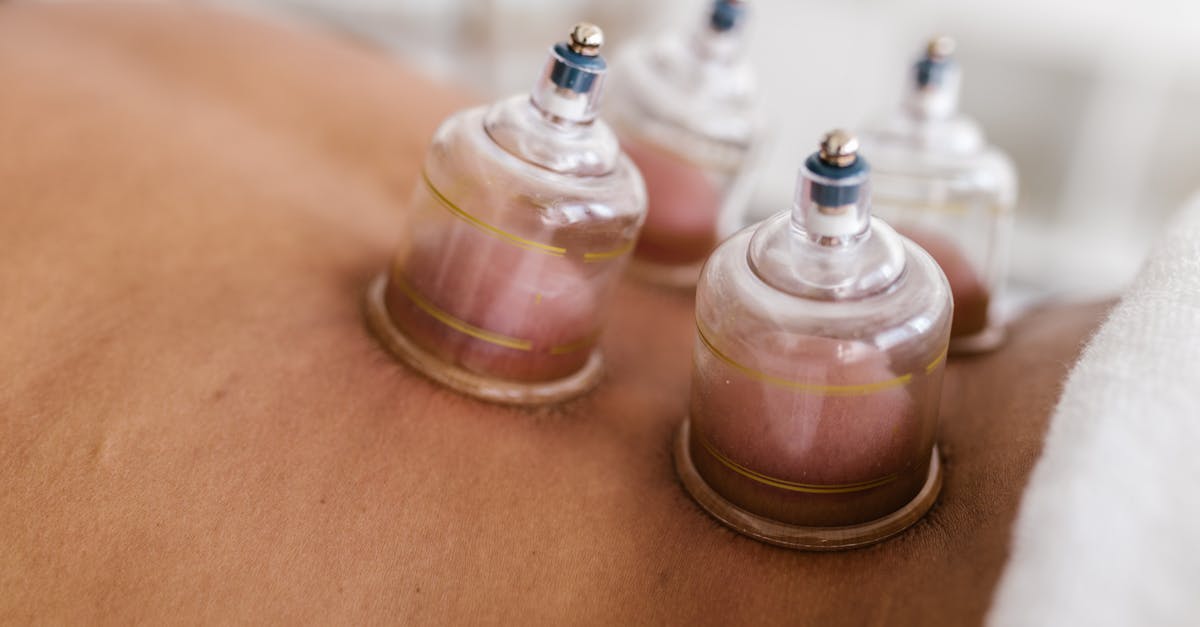
The techniques employed during sessions can vary widely based on individual circumstances. Some may benefit from traditional needle placement while others might experience more relief through the use of adjunct therapies like cupping or moxibustion. Each session can be modified to incorporate these elements, allowing the treatment to evolve as the patient's condition changes. This personalised approach optimises the effectiveness of acupuncture and supports a journey towards improved health and vitality.
Preparing for Your Acupuncture Session
To ensure a positive experience, consider your comfort and readiness before the appointment. Wear loose-fitting clothing to maintain ease of movement and access to acupuncture points. Arriving well-hydrated can enhance the process, as dehydration might render it less effective. It is advisable to avoid heavy meals or excessive caffeine shortly before the session, as these can lead to discomfort during treatment.
Taking a moment to reflect on specific concerns or areas of discomfort may help guide your practitioner in tailoring the session to your needs. Jotting down any questions or health information will serve as a useful reference when discussing your treatment plan. Being open and honest about past experiences with acupuncture or other therapies can benefit your overall treatment outcome.
What to Expect During Your Visit
Upon arrival at the clinic, you will likely fill out a detailed intake form. This form will gather information about your health history, current concerns, and lifestyle factors. The practitioner may ask further questions to better understand your unique needs. This discussion helps in creating a tailored approach to your treatment.
During the session, you can expect to relax in a comfortable setting. The acupuncturist will insert fine needles into specific points on your body, which can create a slight sensation but is generally not painful. Many people report feeling a sense of calmness during the process. The entire visit typically lasts between 30 to 60 minutes, depending on your treatment plan and any additional techniques that may be included.
Post-Treatment Care
After undergoing acupuncture, focusing on your post-treatment care is essential for maximising benefits. Rest is crucial, as it allows your body to recalibrate and absorb the effects of the treatment. Many practitioners recommend a period of relaxation following the session, which can include gentle stretching or meditative practices to help maintain the balance achieved during the appointment. Staying hydrated also plays a vital role in flushing out toxins and supporting overall well-being.
It is advisable to avoid strenuous activities, heavy meals, and stimulants such as caffeine for a few hours post-treatment. These actions may counteract the calming effects of acupuncture. Listening to your body’s signals can guide you in deciding when to resume your normal activities. Incorporating light, nourishing foods and ensuring a peaceful environment can further enhance your recovery and boost the vitality felt after your session.
Maximizing Benefits After Acupuncture
After an acupuncture session, engaging in gentle physical activity can help enhance the treatment's effects. Simple stretching or walking encourages circulation and promotes relaxation. Staying hydrated is also crucial; water assists in flushing out toxins and supports overall bodily functions. Incorporating light activities into your routine can lead to a more sustained sense of vitality.
Nutrition plays an integral role in maximising the benefits of acupuncture. Consuming a balanced diet that includes fresh fruits, vegetables, lean proteins, and whole grains aids in recovery and energy levels. Herbal teas may offer additional benefits by calming the mind and body. Mindfulness practices like meditation or deep breathing can further complement the effects of acupuncture, fostering a holistic approach to wellbeing.
FAQS
What is acupuncture and how does it enhance vitality?
Acupuncture is a traditional Chinese medicine technique that involves inserting thin needles into specific points on the body. It is believed to stimulate energy flow, or "Qi," which can enhance vitality by promoting relaxation, reducing stress, and improving overall health and well-being.
How are personalized acupuncture treatment plans developed?
Personalized acupuncture treatment plans are developed through an initial consultation where the practitioner assesses your individual health concerns, lifestyle, and goals. This information helps tailor techniques and treatment frequencies to best suit your specific needs.
What should I expect during my acupuncture session?
During your acupuncture session, you can expect a comfortable and relaxing environment. The practitioner will discuss your health history, and then you will typically lie down while the needles are gently inserted into specific acupuncture points. You may feel a slight prick or tingling sensation, but it shouldn't be painful.
How can I maximise the benefits of acupuncture after my treatment?
To maximise the benefits of acupuncture after your treatment, it is recommended to stay hydrated, rest, avoid strenuous activities, and consider gentle stretching or meditation. Following any specific aftercare advice provided by your practitioner will also help enhance your results.
Is acupuncture safe for everyone?
Acupuncture is generally considered safe for most people; however, it may not be suitable for those with certain medical conditions or those who are pregnant. It’s important to consult with your healthcare provider and discuss any concerns with your acupuncturist before starting treatment.
Related Links
Exploring the Connection Between Acupuncture and Increased EnergyThe Role of Acupuncture in Combatting Fatigue