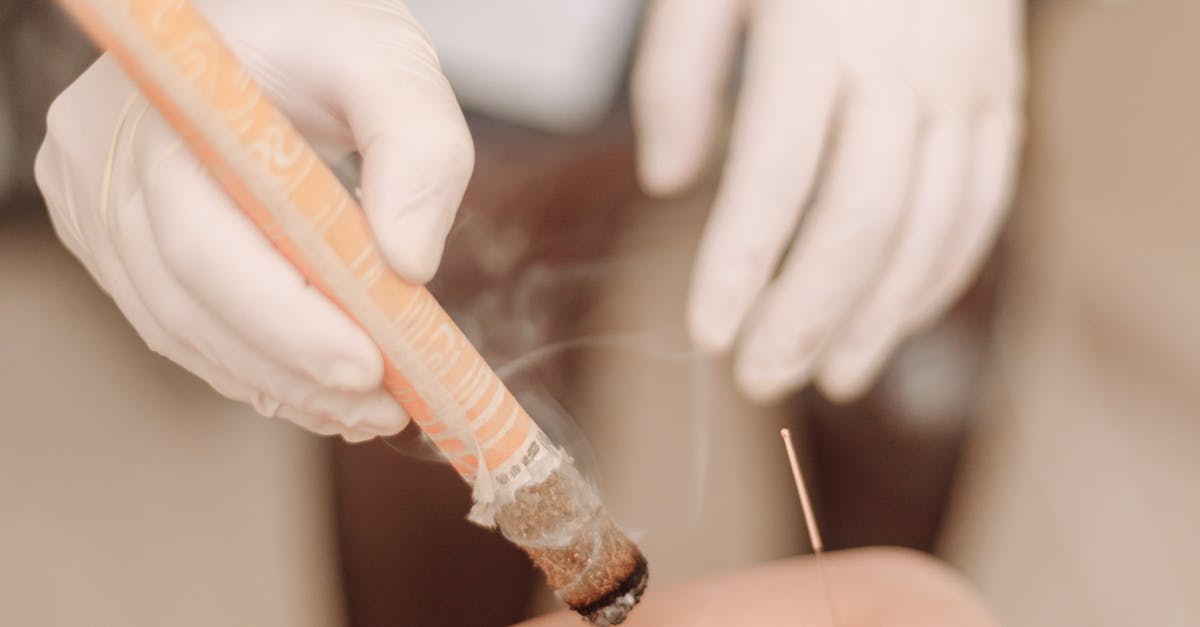
Exploring the Benefits of Auricular Acupuncture for Anxiety Relief
Table Of Contents
Complementary Therapies
Complementary therapies can play a significant role in managing anxiety. These approaches often work alongside traditional medical treatments, enhancing their effectiveness. Individuals seeking relief from anxiety may find that integrating various methods provides a more holistic support system. Techniques such as mindfulness meditation, yoga, and herbal remedies can complement auricular acupuncture, creating a multi-faceted strategy for mental wellness.
The combination of different therapies allows individuals to tailor their approach based on personal preferences and needs. While auricular acupuncture addresses specific points on the ear related to anxiety, practices like deep breathing exercises and regular physical activity can further alleviate stress. By exploring these complementary options, individuals may experience a greater sense of control over their anxiety and an overall improvement in quality of life.
Integrating Acupuncture with Other Treatments
Acupuncture can complement various therapeutic approaches, enhancing overall effectiveness in managing anxiety. When combined with cognitive behavioural therapy, individuals may experience improved coping strategies and emotional resilience. This synergy allows patients to address both the physiological and psychological aspects of anxiety, offering a more rounded treatment plan. Furthermore, incorporating essential lifestyle changes, such as mindfulness practices or yoga, can amplify the benefits of acupuncture, promoting relaxation and a sense of well-being.
Pharmaceutical interventions often focus on alleviating anxiety symptoms but may not address underlying issues. Integrating acupuncture into this framework can provide a holistic approach, reducing dependence on medications and minimising potential side effects. Clients might find they respond better to a combination of treatments, leading to longer-lasting results. Close collaboration between practitioners ensures a tailored approach that considers individual needs, ultimately fostering a more effective path to anxiety relief.
Self-Care Techniques
Practicing self-care techniques can play a significant role in managing anxiety. Mindfulness meditation and deep breathing exercises are effective methods to help individuals centre themselves and alleviate anxious feelings. Engaging in physical activities such as yoga or tai chi can also provide not just physical benefits but emotional support, promoting relaxation and reducing stress. These techniques allow individuals to reconnect with their bodies and minds, fostering a greater sense of calm.
Incorporating routine self-care practices into daily life can enhance overall well-being. Journaling offers a valuable outlet for expressing thoughts and feelings, helping to clarify emotions and identify anxiety triggers. Additionally, establishing a regular sleep schedule and prioritising nutritious meals can support mental health. Taking time to enjoy hobbies or connecting with loved ones also contributes to a more balanced lifestyle, creating a buffer against anxiety.
Enhancing Anxiety Relief at Home
Incorporating simple self-care techniques can significantly support anxiety relief in the comfort of your home. Mindfulness practices such as meditation and deep-breathing exercises can establish a sense of calm. Journaling can help individuals process emotions and provide clarity about their feelings. Creating a relaxing environment with soothing scents, soft lighting, and tranquil music contributes to a peaceful atmosphere that aids in reducing anxiety levels.
Physical activities also play a critical role in enhancing mental well-being. Regular exercise releases endorphins, which can elevate mood and reduce stress. Engaging in yoga or tai chi not only improves flexibility but also fosters mindfulness. Furthermore, establishing a consistent sleep routine is paramount; quality sleep is essential for emotional regulation and overall health.
Choosing a Qualified Practitioner
Finding a qualified practitioner for auricular acupuncture is essential for effective treatment. Start your search by considering practitioners who are registered with a relevant professional organisation, such as the Australian Acupuncture and Chinese Medicine Association. Look for qualifications and training specific to acupuncture and ensure they have experience in treating anxiety. Reading online reviews or seeking recommendations from friends can provide valuable insights into a practitioner's expertise and approach.
During initial consultations, it is crucial to discuss your specific anxiety concerns openly. A good practitioner will take the time to understand your needs and outline their treatment philosophy. Assess their communication style and whether you feel comfortable with them. Feeling at ease with your practitioner can significantly enhance your treatment experience and overall effectiveness of the therapy.
Key Considerations for Selection
When selecting a qualified practitioner for auricular acupuncture, it is important to check their credentials and relevant experience. Look for providers who hold a recognised qualification in acupuncture and have specific training in auricular techniques. Membership in professional organisations can also indicate a commitment to ethical practice and ongoing education. Personal recommendations or online reviews may provide insights into the practitioner's reputation.
Communication style plays a significant role in the overall experience. It is essential to find a practitioner who listens attentively to your concerns and explains the treatment process clearly. Consider scheduling an initial consultation to discuss your needs and gauge their approach. Feeling comfortable and confident in your practitioner is vital for maximising the potential benefits of auricular acupuncture in managing anxiety.
FAQS
What is auricular acupuncture?
Auricular acupuncture is a form of acupuncture that specifically targets points on the ear to alleviate various health issues, including anxiety. It is based on the principle that the ear is a microsystem representing the entire body.
How can auricular acupuncture help with anxiety?
Auricular acupuncture may help reduce anxiety by promoting relaxation, balancing emotions, and regulating stress responses in the body. It can stimulate the release of endorphins and other neurotransmitters that contribute to a sense of calm and well-being.
Is auricular acupuncture safe for everyone?
While auricular acupuncture is generally considered safe, it may not be suitable for individuals with certain medical conditions or those who are pregnant. It’s always best to consult with a qualified practitioner to determine if it’s appropriate for your specific situation.
How many sessions of auricular acupuncture are typically needed for anxiety relief?
The number of sessions required can vary based on individual needs and the severity of anxiety. Many people may find relief after a few sessions, while others may benefit from ongoing treatment. A practitioner can provide tailored recommendations.
Can auricular acupuncture be used alongside other anxiety treatments?
Yes, auricular acupuncture can be effectively integrated with other treatments for anxiety, such as therapy, medication, or self-care techniques. It’s important to discuss any complementary therapies with your healthcare provider to ensure a coordinated approach to your care.
Related Links
How Auricular Acupuncture Supports Weight Loss EffortsUnderstanding the Basics of Auricular Acupuncture for Holistic Healing