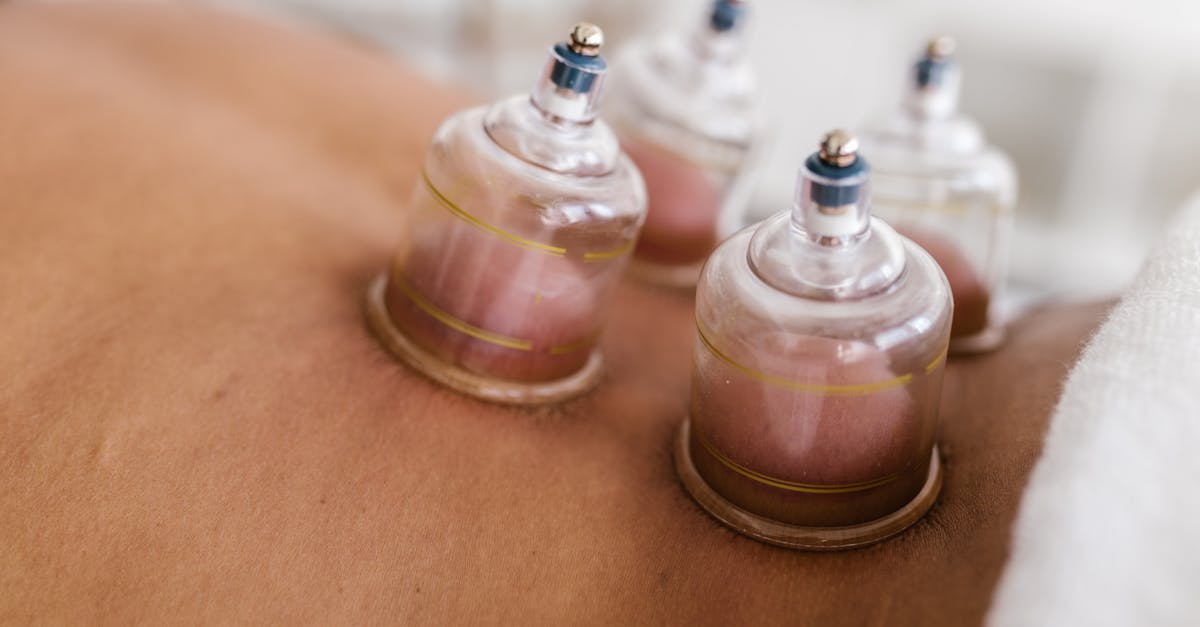
Integrating Cupping Therapy into Holistic Health Practices
Table Of Contents
Integrating Cupping with Other Holistic Treatments
Cupping therapy can enhance the effects of other holistic practices, creating a more comprehensive treatment approach. When combined with treatments such as acupuncture and massage, the benefits can be amplified. For instance, acupuncture targets specific points on the body to address energy flow and relieve pain, while cupping complements this by promoting blood circulation and easing muscle tension. Practitioners often find that integrating these therapies leads to a deeper state of relaxation and quicker recovery from ailments.
Holistic health prioritises the individual as a whole, considering physical, emotional, and spiritual well-being. By incorporating cupping with other modalities, practitioners can offer a more synergistic treatment plan. This integration allows clients to experience varied therapeutic effects, which can address multiple symptoms simultaneously. A well-rounded approach can enhance overall wellness, making it essential for health practitioners to explore these combinations in their practice.
Synergy with Acupuncture and Massage
Integrating cupping therapy with acupuncture and massage can enhance the overall effectiveness of these treatments. Each modality contributes unique benefits to the healing process, addressing physical and energetic blockages within the body. Cupping creates space by lifting the skin and underlying tissues, improving blood circulation and promoting relaxation, which can synergise well with acupuncture’s targeted energy regulation. When combined, these therapies can offer a more comprehensive approach to pain management and muscle tension relief.
The combination of these therapies not only facilitates physical healing but also promotes emotional and mental well-being. Many practitioners find that cupping complements their massage techniques, helping to loosen tight muscles and improve mobility. This holistic approach enables a deeper level of relaxation for clients, as the body can release stress and tension more effectively. Clients often report a heightened sense of overall wellness when combining these therapies, leading to a more enjoyable and restorative experience.
Preparing for a Cupping Session
Before attending a cupping session, individuals should ensure they are well-informed about the procedure and what to expect. It is advisable to avoid heavy meals immediately before the session as this can lead to discomfort during treatment. Wearing loose-fitting clothing helps facilitate easy access to the areas that will be treated. It is also beneficial to discuss any medical conditions or concerns with the practitioner beforehand so they can tailor the experience accordingly.
Hydration plays a crucial role in maximising the benefits of cupping therapy. Drinking plenty of water both before and after the session can aid in flushing out toxins released during treatment. Participants may also consider planning for some rest following their session, as the body may feel tired as it begins to recover. Setting aside time to relax and reflect on the experience can enhance overall wellbeing and integration of the therapeutic effects.
Tips for First-Time Participants
Approaching your first cupping session can feel daunting. Ensuring a relaxed mindset is essential for your experience. It's advisable to communicate any health concerns or specific areas of discomfort to the practitioner before starting. This dialogue will help tailor the treatment to your needs, enhancing its effectiveness. Arriving hydrated can also contribute positively to the overall experience.
During the session, expect a varying sensation as the cups create suction on your skin. Some individuals might feel a mild warmth or a pulling sensation, while others could experience slight discomfort. Avoiding intense physical activity right after the session can help your body adjust. Remember to listen to your body's responses throughout the process. Taking time to rest and reflect post-treatment can enhance the cumulative benefits of cupping therapy.
Evidence and Research Supporting Cupping
The practice of cupping therapy has garnered increasing attention in recent years, leading to a growing body of research investigating its efficacy. Several studies suggest that cupping can effectively alleviate pain, particularly in chronic conditions such as back pain and arthritis. A systematic review published in a reputable journal highlighted that patients often report significant pain reduction following cupping sessions. Researchers have also explored the role of cupping in enhancing blood circulation, which may contribute to its therapeutic benefits.
Despite the favourable anecdotal reports and preliminary findings, the scientific community continues to seek more rigorous evidence. Meta-analyses are underway to evaluate the quality of existing studies and to establish standardised methodologies for future research. Some researchers emphasise the need for larger sample sizes and control groups to provide a clearer picture of cupping's effectiveness. Ongoing investigations are crucial for solidifying cupping therapy's place within holistic health practices and ensuring it is endorsed based on robust scientific evidence.
Scientific Studies and Findings
Research into cupping therapy has grown over the past few decades, revealing its potential benefits for various conditions. A systematic review published in 2015 examined numerous clinical trials and identified that cupping may effectively alleviate pain, particularly in musculoskeletal disorders. The analysis revealed significant improvements in pain reduction and enhancement in physical function among patients undergoing cupping treatment compared to those receiving standard care.
Further investigations have focused on specific health issues such as respiratory problems and inflammatory conditions. A study investigating the effects of cupping on asthma symptoms demonstrated that patients who received this therapy reported better control over their symptoms and improved lung function. Preliminary findings suggest that cupping might also promote circulation and detoxification, although more rigorous scientific studies are needed to fully understand its mechanisms and validate these claims.
FAQS
What is cupping therapy?
Cupping therapy is a traditional healing practice that involves placing suction cups on the skin to promote circulation, relieve muscle tension, and enhance overall well-being.
How can cupping therapy be integrated with other holistic treatments?
Cupping therapy can complement other holistic practices such as acupuncture and massage by enhancing their effects, promoting deeper relaxation, and addressing specific health concerns more effectively.
What should I expect during a cupping session?
During a cupping session, you can expect the practitioner to apply suction cups to your skin, which may cause a sensation of pulling. The session typically lasts between 15 to 30 minutes, and you may experience some redness or bruising afterwards, which is normal.
Are there any tips for first-time cupping participants?
Yes, first-time participants should communicate openly with their practitioner about any concerns, stay hydrated before and after the session, and avoid heavy meals or strenuous activities immediately before and after cupping.
Is there scientific evidence supporting the use of cupping therapy?
Yes, several scientific studies have shown that cupping therapy can be effective in reducing pain, improving circulation, and enhancing recovery in various conditions. However, more research is needed to fully understand its benefits and mechanisms.
Related Links
Debunking Myths About Cupping Therapy in MelbourneThe Differences Between Cupping Therapy and Other Acupuncture Treatments